

-
The PDO

INSTITUTION OF THE PDO
Only in 2005 the tender ascolana obtained the PDO mark.
Producing a foodstuff with the 'PDO mark' means accepting and submitting to the strict directives of the PRODUCTION DISCIPLINARY that impose the certified supply chain. The PDO process is subject to constant checks at every stage, from production and processing to marketing.
THE CULTIVAR
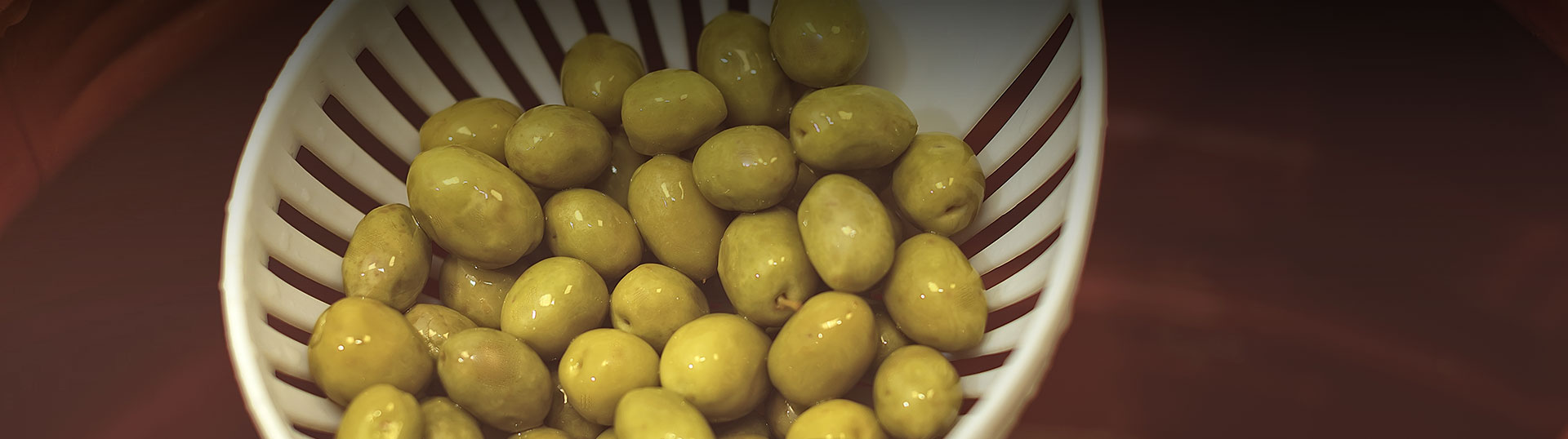
The Ascolana Tenera variety sativa subspecies of the Olea Europea was well known even in Roman times and in dialect it is called “Liva da Concia” or “Liva Ascolana”. The ancient Romans named it “colymbades”. The term derives from the Greek verb Kολυmbaω (kolymbao), which means “I swim” and the Romans chose it by reference to the method of preservation. Cato, Varro, Martial and Petronius wrote about the qualities of this variety. It should be also noticed that Petronius wrote in his Satyricon about how this olive variety was always present on Trimalchio’s table. Even Pope Sixtus V mentioned it in a letter of thanks to the elderly of Ascoli.
Gioacchino Rossini and Giacomo Puccini were fully appreciative of this variety. Giuseppe Garibaldi got a chance to taste these olives, both in brine and stuffed on 25 January 1849, during his short stay in the Ascoli area. The General was so im-pressed with these olives that back in Caprera he attempted to cultivate some plants received from his faithful friend Candido Augusto Vecchi, but he didn’t manage to succeed.